PodForger
A full-stack platform that turns RSS feeds into multi-speaker AI audio podcasts — LLM scripting and self-hosted GPU text-to-speech, running in production.
- FastAPI
- Next.js 16
- async SQLAlchemy
- Multi-LLM
- GPU TTS
- OSS

What it is
PodForger turns RSS news feeds into multi-speaker, AI-generated audio podcasts — end to end, automatically. A feed goes in; a published, listenable episode with natural multi-voice dialogue comes out.
The pipeline
RSS ingestion → full-article extraction (the whole article, not the 200-word RSS summary) → LLM article classification → topic generation with live web research → a multi-speaker dialogue script in a configurable multi-segment structure → GPU text-to-speech synthesis → audio assembly → iTunes/Spotify-compatible RSS publishing → object storage. Each stage is a discrete, testable step rather than one opaque call.
Key decisions
- Self-hosted GPU TTS. Synthesis runs on a home Nvidia RTX 5090, reached over a Tailscale VPN, with eight TTS engines running in parallel behind a shared, Postgres-backed job queue and a common worker-base abstraction. Full control over voices and quality, without a per-character cloud bill.
- Right model for each task. A multi-LLM setup routes work deliberately — local Ollama for cheap dev-time classification, frontier models for script and topic generation — with full tracing and cost tracking on every call.
- A database-backed job queue. The same durable-work pattern as IW AI Core (
FOR UPDATE / SKIP LOCKED) coordinates ingestion, synthesis, and assembly across services without a separate message broker. - AI-first, under strict TDD. The vast majority of the code was written by AI agents test-first, behind a multi-stage validation pipeline — lint, tests, coverage, and security, then an AI architecture/performance review, then human approval.
Engineering signals
442 backend test files and 220 Playwright end-to-end test files, 80%+ CI-enforced coverage, and 217 REST endpoints — with a public status page running 60-second health checks across the database, the model runtime, TTS, and the front and back ends. It runs in production, not just on a slide.
Stack
Backend: Python 3.12 · FastAPI · async SQLAlchemy 2.0 · Pydantic V2 · asyncpg · PostgreSQL · Alembic. Frontend: Next.js 16 (App Router) · React 19 · TypeScript · Tailwind 4 · shadcn/ui · TanStack Query · NextAuth. AI: Ollama · OpenAI · Anthropic · web research · LLM tracing & cost tracking. Infra: Docker · Nginx · Dokploy · Cloudflare R2 · Uptime Kuma · self-hosted GPU over Tailscale.
Status
Live in production. Open source under the Innovation Ways org.
Screenshots
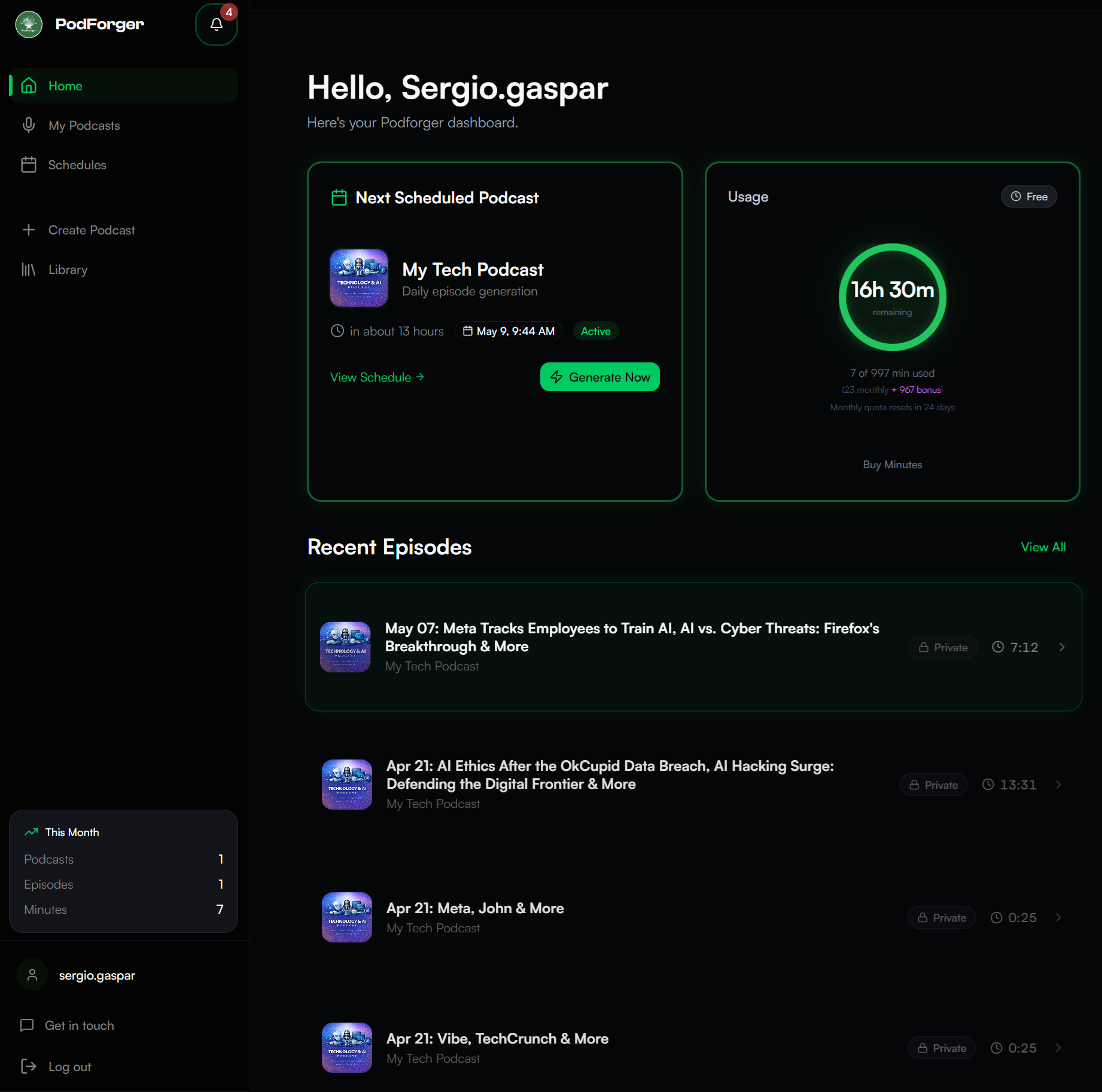
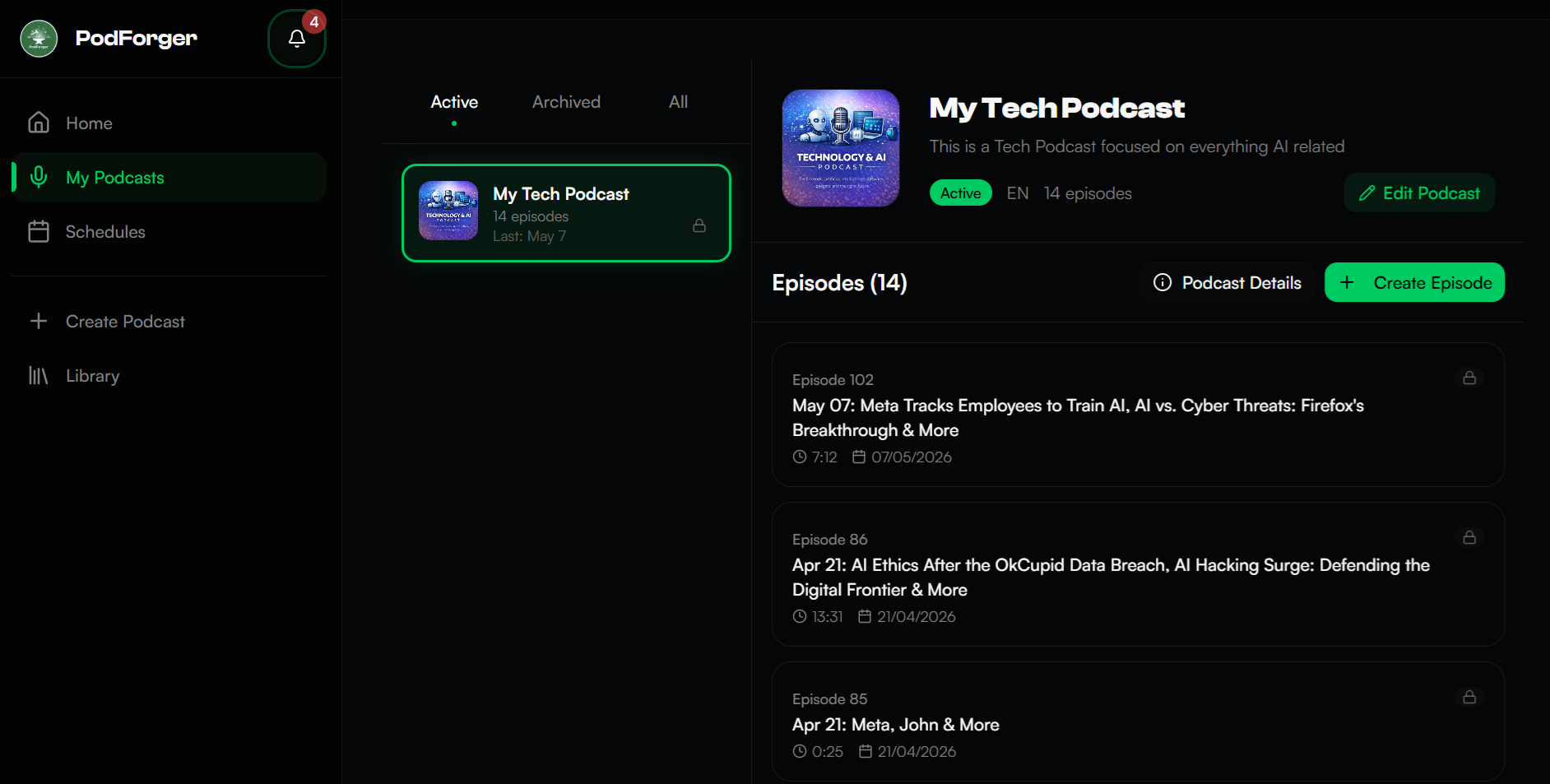
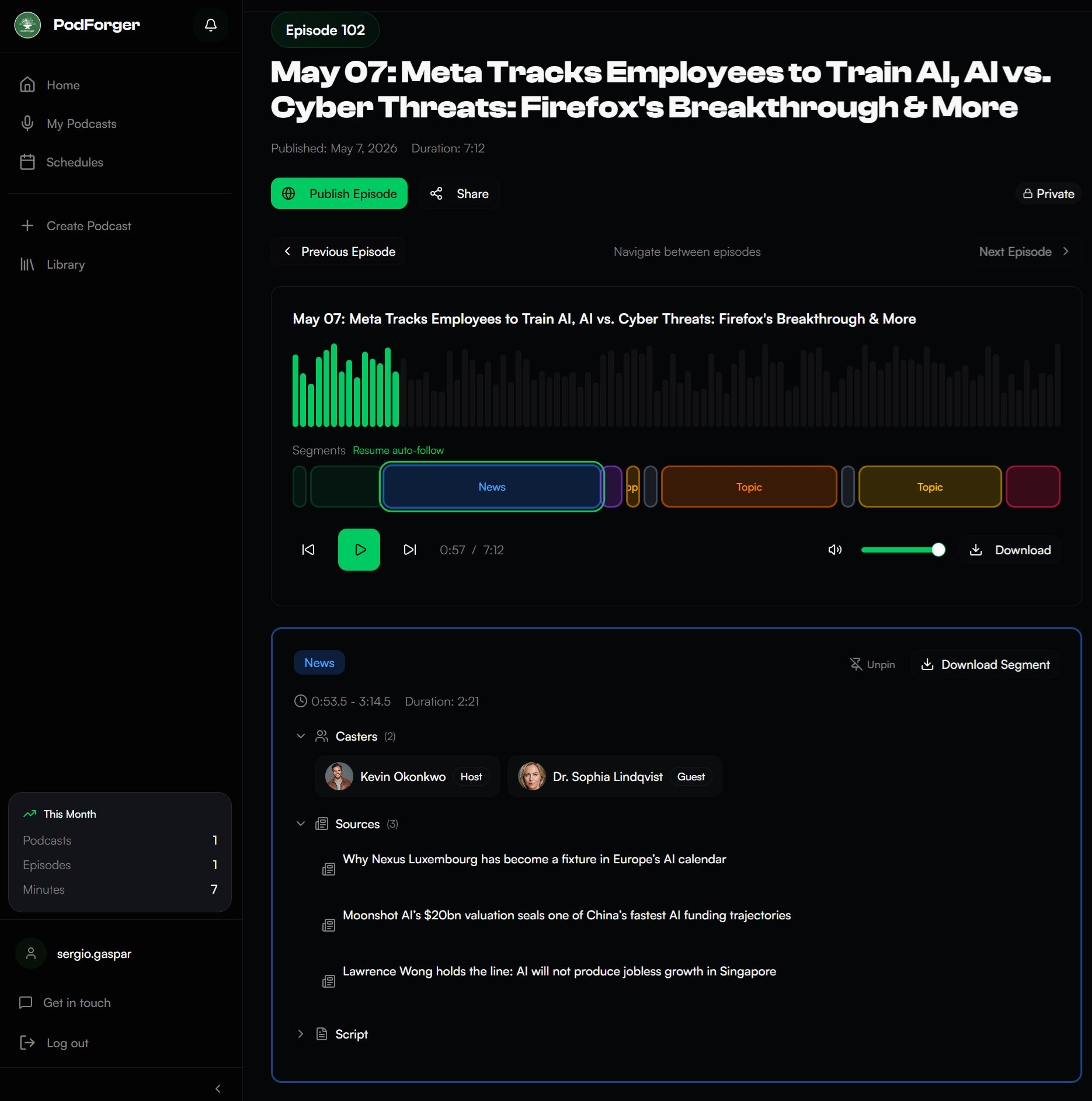
Open source under the Innovation Ways GitHub org .